
An Annual General Meeting (AGM) is an important occasion for every company. It brings together shareholders, directors, management teams and other stakeholders to review the company’s performance, discuss key developments and make important decisions about its future.
Beyond its formal business purpose, an AGM is also an opportunity to showcase your company’s professionalism, strengthen stakeholder relationships and document significant corporate milestones.
While presentations, financial reports and meeting minutes capture the business side of an AGM, professional AGM photography helps preserve the occasion and communicate your company’s values. These images can also be used in annual reports, corporate websites, social media posts, internal communications and future marketing materials.
However, with so many moments taking place during an AGM, knowing which photographs to prioritise can be challenging. Whether you are organising a small shareholders’ meeting or a large corporate AGM, here are 10 must-have photos for your company’s Annual General Meeting to ensure you capture the most meaningful moments.
Must-Have Photos for Your Company’s Annual General Meeting
1. The Venue and Event Setup
Before the AGM begins, take photographs of the venue and its overall setup. These images establish the atmosphere of the event and provide context for the rest of your AGM photo collection. Capture wide-angle shots of the meeting room, stage, seating arrangements, company branding, presentation screens, and registration area.
If your company has invested in branded backdrops, customised displays or professionally designed event materials, make sure these details are included in the photographs. Photographs of the venue are particularly useful for annual reports, corporate newsletters and internal documentation. They also demonstrate the scale and professionalism of your event.
Photography tip: Schedule venue photography before attendees arrive. This allows your AGM photographer to capture clean, unobstructed images of the event space.
2. The Board of Directors and Senior Management
Your board of directors and senior management team play a central role in the AGM. Capturing professional photographs of these key individuals is essential for documenting the occasion. Arrange for individual portraits of directors, senior executives, and other important company representatives. You may also want to capture a group photograph of the board and management team together.
These images can be used in annual reports, corporate profiles, investor presentations and company websites. For businesses that regularly communicate with shareholders, having updated photographs of leadership personnel can also help maintain a consistent and professional corporate image.
Photography tip: Plan a dedicated portrait session before or after the AGM. A professional photographer can guide everyone on posture, positioning, and expressions to ensure the photographs look polished and consistent.
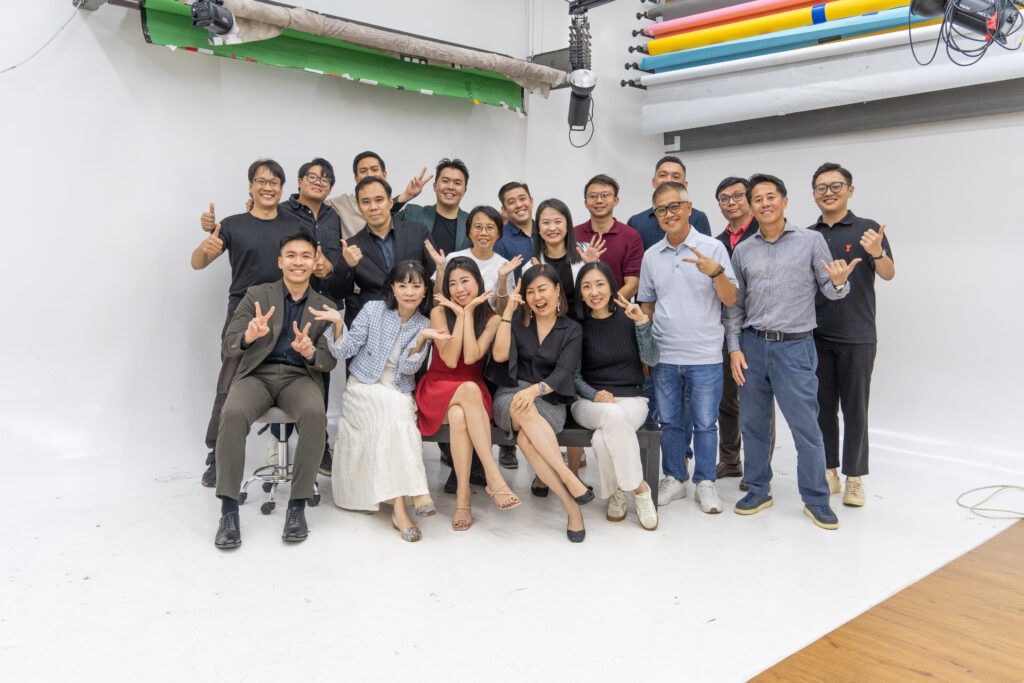
3. The Official Group Photograph
A corporate group photograph featuring the board of directors, management team, and other key attendees is one of the most valuable images to capture during an AGM. It serves as a visual record of the people who attended the meeting and commemorates an important corporate occasion. Depending on the nature of your AGM, the group photograph may include directors, senior management, invited guests, or shareholders.
For larger gatherings, consider taking multiple group photographs to accommodate different teams or stakeholder groups. These photographs are ideal for internal communications, company archives and post-event updates on corporate social media channels.
Photography tip: Choose a location with sufficient space and good lighting. An experienced AGM photographer can arrange participants into well-balanced rows so that everyone is visible.
4. The Opening Address by the Chairperson
The chairperson’s opening address is often one of the most significant moments of an AGM. It sets the tone for the meeting and introduces the key discussions and priorities for the day. Capture photographs of the chairperson delivering the opening remarks, addressing shareholders, or presenting the meeting agenda.
Close-up photographs that capture the speaker’s expressions and gestures can add a sense of engagement and authenticity to your event documentation. You should also consider taking wider shots that show the speaker alongside the company branding or presentation screen. These photographs can be particularly useful in annual reports, corporate publications, and shareholder communications, where the leadership’s presence is an important part of the story.
5. Shareholders and Attendees Participating in the Meeting
An AGM is not just about company leadership. Shareholders and other attendees are equally important participants in the event. Photographs of attendees listening attentively, reviewing documents, taking notes, or engaging in discussions help tell a more complete story of your AGM.
These candid moments communicate participation, transparency, and stakeholder engagement without relying solely on staged photographs. For companies that want to demonstrate an active and engaged shareholder community, such images can add valuable context to their corporate communications.
Photography tip: Candid photography works best when the photographer captures genuine moments without interrupting the meeting. Choose a professional photographer for your AGM in Singapore who is also mindful of attendees’ privacy and any photography restrictions.
6. Key Presentations and Business Updates
Presentations are a major part of most AGMs. Company leaders typically share financial results, business achievements, operational updates, and future plans with shareholders.
Photographs of executives presenting these updates help document the key activities of the meeting. Capture a combination of wide-angle photographs showing the presenter and audience, as well as closer shots of the speaker during important parts of the presentation.
Where relevant, include presentation screens displaying key business information, provided the content is approved for photography and external use. These photographs can support annual report content, corporate announcements, and internal business documentation.
Photography tip: Coordinate with your photographer to identify important presentation segments in advance. This helps ensure that significant speakers and announcements are not missed.
7. The Question-and-Answer Session
The question-and-answer (Q&A) session is often one of the most engaging parts of an AGM. It gives shareholders an opportunity to seek clarification, raise concerns, and interact directly with company leadership. Capturing this segment helps document the two-way communication that takes place during the meeting.
Consider taking photographs of shareholders asking questions, directors responding, and management representatives participating in the discussion. These images can help illustrate stakeholder engagement and the company’s commitment to maintaining communication with shareholders. However, it is important to photograph this segment respectfully, especially when discussions involve sensitive business matters.
Photography tip: Inform your photographer about any restrictions on photographing shareholders or specific discussions. This ensures that the Q&A session is documented appropriately.
8. Award Presentations and Special Recognitions
Some companies use their AGMs to recognise outstanding contributions, celebrate business milestones or present awards to directors, employees and other stakeholders. If your AGM includes an award presentation or special recognition segment, make sure these moments are included in your photography plan.
Essential shots include the award recipient receiving the award, the presenter handing it over, and both parties posing together for a photograph. You may also want to capture group photographs featuring all award recipients. These images can be used in corporate newsletters, employee communications, social media posts, and company archives.
Photography tip: Coordinate with the event organiser to confirm the order of presentations and recipients’ names. This allows your photographer to prepare for each important moment.
9. Networking and Informal Interactions
Although an AGM is a formal corporate event, networking and informal conversations are also important parts of the experience. Attendees may interact with directors, exchange ideas with fellow shareholders, or reconnect with colleagues during breaks. Photographs of these interactions help showcase the human side of your company and create a more engaging visual record of the event.
Capture natural moments such as small-group discussions, greetings, handshakes, and conversations over refreshments. These photographs can be particularly useful for post-event social media updates, internal newsletters, and corporate communications.
Photography tip: Encourage your photographer to move around the venue discreetly and capture genuine interactions rather than asking attendees to pose for every photograph.
10. The Closing Remarks and Final Group Shots
The conclusion of your AGM is another important moment to document. It marks the end of the formal proceedings and provides an opportunity to capture the company’s leadership and attendees together. Photographs of the chairperson delivering the closing remarks, directors interacting with shareholders, or participants wrapping up the meeting can help complete the visual story of the event.
If your AGM includes a final group photograph, this is also a good time to capture it. You may want to take a few variations, including a formal group portrait and a more relaxed photograph featuring natural smiles.
These images provide a fitting conclusion to your AGM photo collection and can be used in post-event communications or corporate archives.
Why Hire a Professional AGM Photographer in Singapore?
An AGM involves multiple activities, important speakers, and moments that cannot always be recreated. Relying on casual photographs may result in missed opportunities or inconsistent image quality.
Hiring a professional AGM photographer in Singapore helps ensure that your event is documented with the right balance of formal portraits, candid interactions, and key business moments. A professional photographer understands how to work in corporate environments, adapt to different lighting conditions, and capture important moments without disrupting the proceedings.
When selecting an AGM photographer, consider their experience in corporate event photography, familiarity with formal business settings, and ability to deliver high-quality images suitable for different communication channels.
At H2 Photo Studio, we understand the importance of professional photography in representing your company’s image. Our approach focuses on capturing meaningful moments while maintaining the professionalism expected at corporate events. Whether you need photographs for your annual report, company website, internal communications, or social media, having a clear photography plan can help you make the most of your AGM.
Make Every AGM Moment Count with H2 Photo Studio
Your company’s Annual General Meeting is more than a formal gathering. It is an opportunity to document achievements, strengthen stakeholder relationships, and showcase your organisation’s professionalism.
From leadership portraits and shareholder interactions to important presentations and networking moments, each photograph contributes to a complete visual record of your event. By planning your photography requirements in advance and working with a professional photographer, you can ensure that the most important moments are captured with care.
Looking for a professional AGM photographer in Singapore? H2 Photo Studio can help you capture the key moments of your company’s AGM with professional corporate photography. Get in touch with H2 Photo Studio to discuss your AGM photography requirements and ensure your next corporate event is documented professionally.